What testosterone does
Testosterone is the main male sex hormone, produced mostly in the testes under the control of signals from the brain. It contributes to muscle and bone maintenance, red blood cell production, body hair distribution, sex drive and, to some extent, mood and energy. Levels are highest in the morning and vary from day to day.
Does it fall with age?
On average, total testosterone declines gradually in adult life, with an often-cited figure of about one percent a year from around the age of 30 to 40. The range between individuals is wide, and many older men remain within the normal range. A lower reading by itself does not explain how a person feels.
Several other factors are linked with lower levels, including excess body fat, poorly controlled diabetes, obstructive sleep apnoea, long-term illness, heavy alcohol use, certain medications and very low sleep. Addressing these factors can matter more than the hormone number itself.

Symptoms that are easy to misread
Low energy, reduced sexual interest, poor concentration, lower mood and loss of muscle are commonly listed as possible signs of low testosterone. They are also common with stress, depression, thyroid disorders, anaemia, poor sleep and many chronic conditions. This overlap is the main reason a doctor will usually look wider than hormones.
Symptoms worth discussing with a doctor
- Persistent low sexual interest or erectile difficulty lasting several months.
- Unexplained tiredness that does not improve with rest.
- Loss of muscle or increase in belly fat without a change in routine.
- Low mood or loss of interest that lasts two weeks or longer.
- Breast tenderness or enlargement, or reduced facial or body hair.
How doctors usually evaluate it
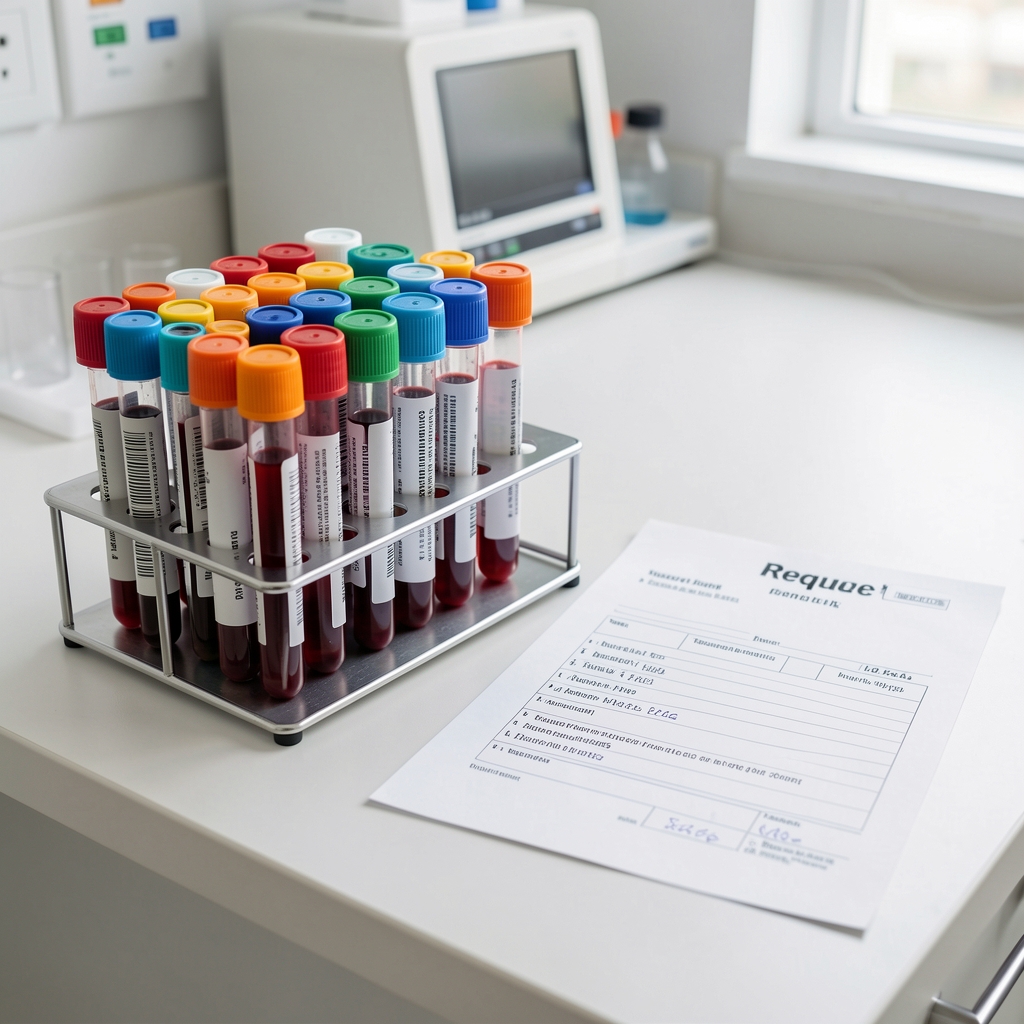
Clinical guidelines generally suggest that a diagnosis of testosterone deficiency requires both consistent symptoms and repeated low morning blood tests, taken on separate days, often alongside other tests. A doctor may also check blood sugar, cholesterol, thyroid function, blood count and prostate health, and review medicines.
| Step | What it involves |
|---|---|
| History | Symptoms, sleep, mood, alcohol, medicines, past illnesses |
| Examination | Weight, waist, blood pressure, general physical exam |
| Blood tests | Morning testosterone on at least two occasions, plus other tests as the doctor decides |
| Review of causes | Looking for sleep apnoea, diabetes, thyroid issues, medicines or stress |
Myths worth checking
“Every tired man in his forties has low testosterone.”
Surveys that test men with symptoms find that many have normal results. Other explanations are more common.
“Herbal and over-the-counter boosters restore hormone levels.”
Evidence for most products sold with such claims is limited or absent. Some products sold online have been found to contain undeclared pharmaceutical ingredients. In Indonesia, registered products carry a BPOM registration number that can be verified on the agency's website or app. Zandrel does not recommend or sell any product.
“Hormone treatment is a simple fix.”
Prescription testosterone therapy is a medical treatment with possible risks, including effects on fertility, red blood cell count and prostate monitoring. It is used only when a doctor confirms a diagnosis and weighs the benefits against these risks.
Everyday factors that are within reach
- Maintaining a healthy weight, particularly around the waist.
- Regular resistance and aerobic exercise (see movement).
- Consistent, sufficient sleep (see sleep and recovery).
- Moderating alcohol and avoiding tobacco.
- Managing long-running stress and asking for help when needed (see stress and mind).
Sources and further reading
- Endocrine Society, clinical practice guideline on testosterone therapy in men with hypogonadism.
- American Urological Association, guideline on evaluation and management of testosterone deficiency.
- Indonesian Society of Andrology and Sexual Medicine, public information materials.
- BPOM Republic of Indonesia, guidance on checking product registration.
This article is general information. See our medical disclaimer.